
In Springfield, Virginia, the health and beauty of fruit trees are paramount to thriving local orchards and the overall well-being of our urban forest. Proper tree pruning is a critical yet often misunderstood practice, essential for maintaining the health and productivity of fruit trees.
The incorrect or inadequate pruning can lead to disease, pest infestation, and even tree death. Conversely, expert tree pruning falls church va services, when applied correctly, can foster strong tree structures, improve fruit quality, and extend the lives of these valuable trees. This article examines the science and art of shaping fruit trees, offering practical insights and expert guidance to ensure your trees thrive.
- Understanding Fruit Tree Structure: Key to Pruning
- When and How to Prune: Best Practices
- Tools and Techniques for Effective Tree Trimming
- Post-Pruning Care: Nurturing Healthy Growth in Falls Church VA
Understanding Fruit Tree Structure: Key to Pruning
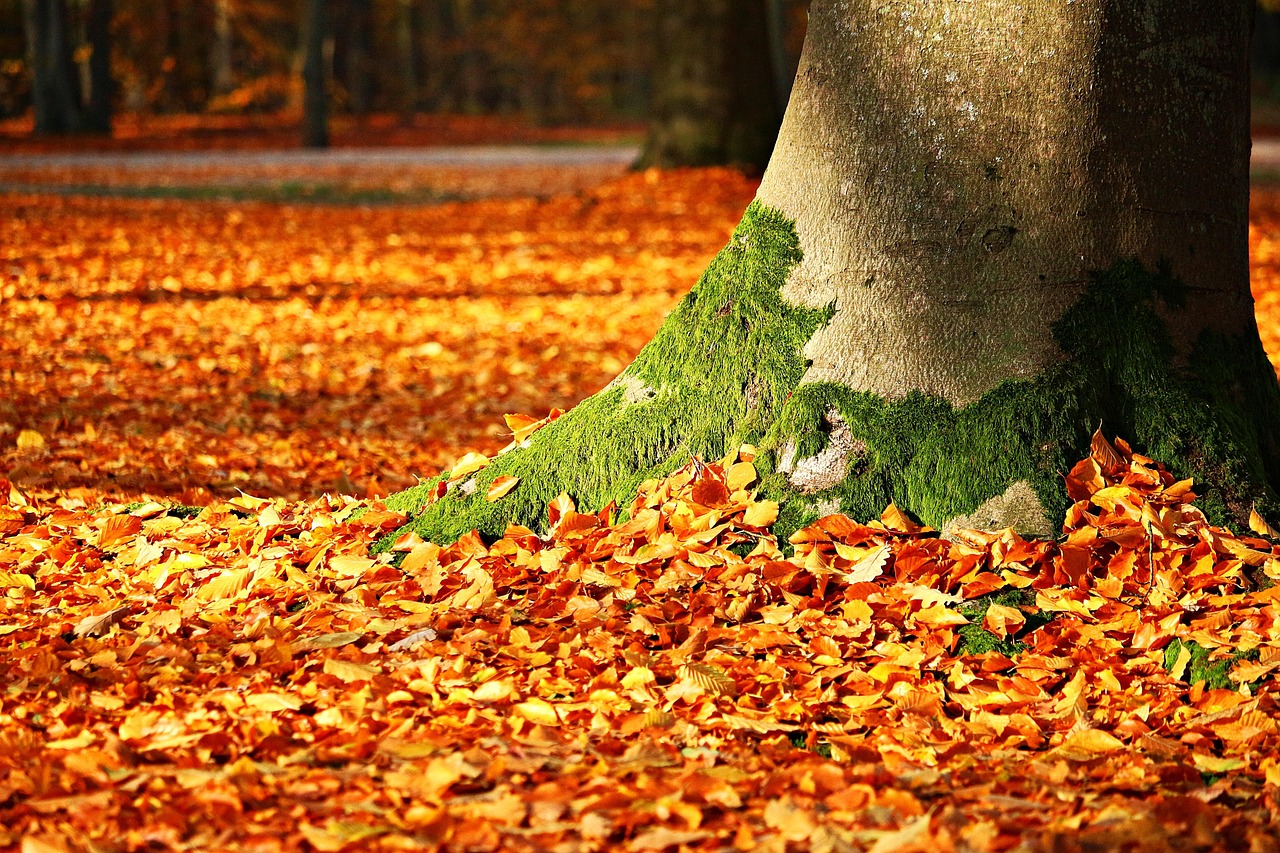
Understanding the intricate structure of fruit trees is fundamental to effective tree pruning in Falls Church, VA. Each species has its unique growth patterns, and recognizing these variations allows local tree experts Falls Church Va to tailor their approach, ensuring optimal health and fruit production. The Crepe Myrtle Society highlights the importance of knowing when to prune specific varieties, as timing is crucial for these showy trees.
Tree pruning falls church va professionals emphasize that a well-structured tree begins with a solid understanding of its natural form. This includes identifying the main stem, or trunk, and the branch patterns that radiate from it. By studying these structures, experts can make informed decisions about where to cut back the tree, promoting balanced growth and preventing future issues. The Southern Gardeners Association advises gardeners to consider the tree's overall shape and size, taking into account its mature dimensions, to ensure pruning enhances its natural aesthetics.
The best time to cut back trees in Falls Church, VA, varies by species and local climate. Generally, winter is a popular choice due to reduced risk of disease spread and the tree's dormancy. However, some fruit trees, like cherry varieties, benefit from pruning in late summer to early fall, as suggested by the Virginia Cooperative Extension. G & V Tree Service tree care specialists recommend consulting with local experts who can guide homeowners on the best timing for their specific fruit trees, ensuring the health and longevity of these valuable assets.
When and How to Prune: Best Practices
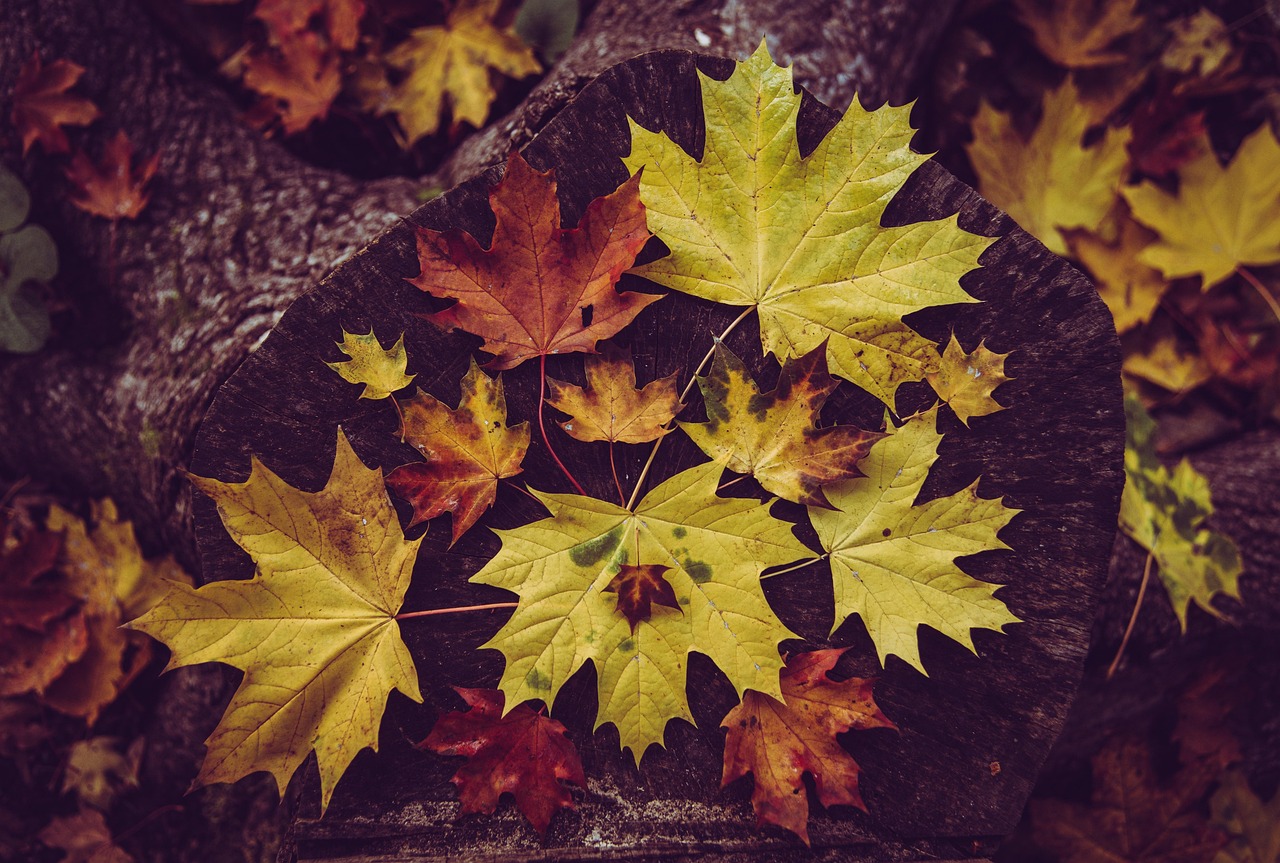
Pruning is a critical aspect of fruit tree care, shaping their growth and promoting healthy development. In Falls Church, VA, where diverse fruit tree species thrive, understanding when and how to prune is essential for homeowners and landscaping professionals alike. This practice involves more than just cutting branches; it's an art that requires knowledge of tree biology, local conditions, and safe practices.
The best time to prune fruit trees in Falls Church typically falls during the late winter or early spring, just before new growth begins. This timing allows for the removal of damaged or diseased branches, improving tree health and reducing the risk of pest invasion. For many fruit trees, pruning should be done minimally to avoid stress and promote fruit production. However, excessive pruning can hinder growth, so it's crucial to balance the need for shaping with the tree's natural growth patterns.
Safe tree pruning involves using sharp, clean tools to make precise cuts. For smaller branches, hand pruners or loppers are suitable, while larger branches may require a chainsaw or hedge trimmer. When dealing with mature trees, safety becomes paramount. How to safely prune large trees 1-3 times a year depends on the species and its individual needs. In general, these larger trees benefit from selective pruning to remove dead, diseased, or crossing branches, ensuring good air circulation and sunlight penetration. Proper pruning techniques not only enhance the tree's appearance but also contribute to its longevity and fruit yield, making it a valuable investment for any homeowner or tree care professional.
Tools and Techniques for Effective Tree Trimming

Effective tree pruning in Falls Church, VA, goes beyond simply cutting back branches. It's a meticulous art that requires the right tools and techniques to ensure the health, safety, and aesthetic appeal of your fruit trees. When done correctly, tree pruning can improve fruit production, strengthen tree structures, and enhance the overall appearance of your landscape.
Local tree care experts in Falls Church, such as G & V Tree Service, emphasize the importance of using sharp, clean tools for precise cuts. This minimizes damage to the tree and reduces the risk of disease entry. Hand pruners, loppers, and saws are staples in any tree trimmer's toolkit. Each tool serves a specific purpose, from fine branch removal with pruners to more robust cuts with saws. Proper technique is paramount; cutting too close to the trunk or limb can stress the tree.
The best tree trimming company in Falls Church VA understands the unique needs of different fruit tree species. Crepe myrtles, for example, benefit from seasonal pruning to maintain their shape and encourage blooming. Conversely, fruit trees like apples and cherries may require structural pruning to promote fruit growth and prevent disease. The timing of these cuts is crucial, as late winter or early spring is typically the optimal period for most fruit trees in this region.
Beyond the practical aspects, tree pruning for safety and aesthetics goes hand in hand. Removing dead or diseased branches not only enhances the tree's health but also prevents potential hazards, such as falling limbs during storms. Well-maintained trees contribute to the overall beauty of your property and can increase its value. In fact, many Falls Church community groups, like the Falls Church Garden Clubs, organize tree care events to educate residents on proper pruning techniques, fostering a collective commitment to the city's urban forest initiative.
Post-Pruning Care: Nurturing Healthy Growth in Falls Church VA
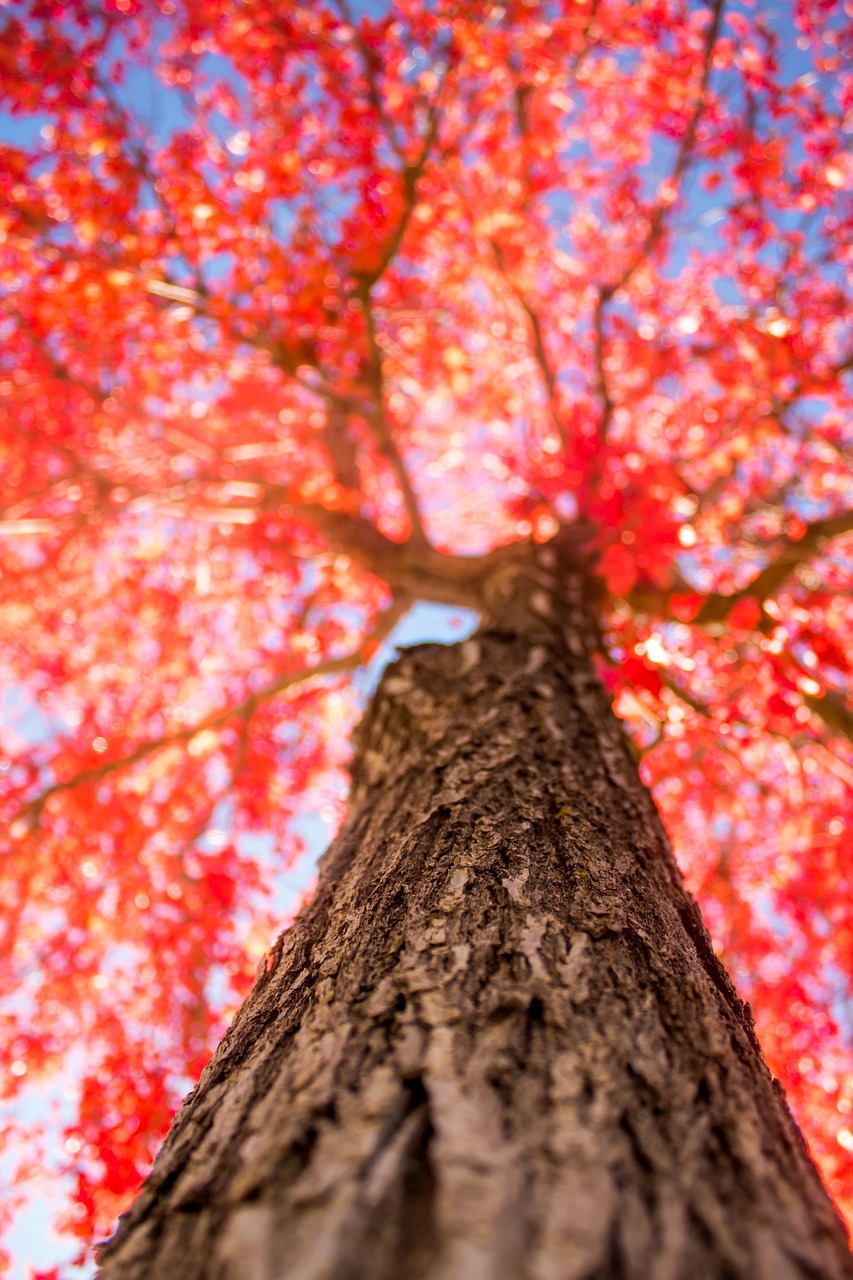
After meticulous pruning, the health and growth of your fruit trees in Falls Church, VA, depend on proper post-pruning care. This critical phase ensures your trees not only recover but thrive. First, remove any debris left from pruning to prevent rot or pest infestations. Then, apply a generous layer of organic mulch around the base of each tree to insulate the roots, suppress weeds, and maintain soil moisture-a key to healthy growth, especially during the hot, dry summers characteristic of Falls Church.
Watering is another crucial aspect. While trees may be dormant in winter, they still require regular deep watering during dry periods. Focus on the root zone, as this is where water is absorbed. Timely tree care solutions, such as these, are vital for the long-term health of your fruit trees. If a tree has been significantly pruned or damaged by a storm, consider professional tree removal services in Falls Church VA to prevent safety hazards and ensure the tree doesn't pose a risk to your property or neighbors.
Monitoring your trees for signs of stress or disease is also essential. Check for pest infestations, such as aphids or scale, which can be treated with natural insecticidal soap or neem oil. Look out for nutrient deficiencies or excesses, which can be addressed with targeted applications of fertilizer. The Falls Church Arborist Directory and local garden clubs are excellent resources for expert advice and timely tree care solutions in your area.
Frequently Asked Questions About Shaping Fruit Trees Techniques for Healthy Growth
What is the best time of year to shape fruit trees?
The ideal time to shape fruit trees depends on the species and your location. Generally, late winter or early spring, before new growth begins, is best. However, in mild climates, light pruning can be done in late summer to control growth and shape the tree for the upcoming year. Avoid heavy pruning in late summer as it can stress the tree and reduce fruit production.
How do I know if I need to prune my fruit tree?
Fruit trees need pruning to maintain a healthy shape, improve fruit quality, and increase light penetration. Signs that pruning is necessary include: dense, crossed branches, branches growing inward, dead or diseased wood, and trees that have outgrown their space. Regular light pruning promotes air circulation, prevents pest and disease issues, and ensures optimal fruit growth.
What tools do I need to shape a fruit tree?
For most fruit tree shaping, you'll need a few basic tools: sharp pruning shears for small branches, a pruning saw for larger branches, and a sturdy ladder for reaching higher branches. It's crucial to use clean, sharp tools to prevent disease spread and ensure clean cuts. Disinfect your tools between cuts, especially when moving between trees, to minimize the risk of infecting healthy wood.
What techniques should I use when pruning a fruit tree?
Use the three-cut method for large branches to avoid tearing the bark. This involves making a notch on the side of the branch away from the trunk, then cutting from the top down about an inch beyond the notch. Finally, cut the stub off just outside the branch collar. For small branches, use a clean cut just outside the branch collar to minimize damage.
How often should I prune my fruit tree?
Annual pruning is recommended for most fruit trees to maintain their health and fruit production. Light pruning during the growing season can help control growth and shape the tree. A more intensive pruning, removing up to one-third of the previous year's growth, can be done in late winter or early spring to promote new growth and increase fruit size.
Can pruning my fruit tree increase fruit production?
Yes, proper pruning can significantly increase fruit production. Pruning encourages the tree to direct its energy into a smaller number of fruit-bearing branches, resulting in larger, healthier fruits. It also improves light penetration, which is crucial for fruit ripening. Regular pruning promotes a balanced tree structure that allows for optimal air circulation and pest control, all contributing to higher fruit yields.
What should I do with the prunings from my fruit tree?
Dispose of fruit tree prunings responsibly to prevent the spread of pests and diseases. Avoid composting them in your regular pile, as they can introduce harmful organisms. Instead, bag them separately and place them in the trash or take them to a designated green waste facility. Some communities offer wood chip programs where you can drop off prunings and receive wood chips for landscaping.
Mastering tree pruning techniques is crucial for the health and productivity of fruit trees in Springfield, including Falls Church VA. By understanding the intricate structure of these trees and implementing the best practices detailed in this article, homeowners and professionals alike can ensure optimal growth. Effective tree trimming, performed at the right time and with the right tools, allows for the removal of dead, diseased, or crossing branches, promoting air and light penetration. This, in turn, leads to healthier trees, improved fruit quality, and enhanced landscape aesthetics.
Post-pruning care is essential, including proper cleaning and sanitization to prevent the spread of diseases, as well as monitoring for signs of stress or pest activity. Following these guidelines ensures that tree pruning in Falls Church VA is not just a one-time event but a year-round process that fosters the long-term health and vitality of these valuable trees. Armed with this knowledge, readers are now equipped to make informed decisions and take proactive steps to maintain and enhance the beauty and bounty of their fruit trees.
Tree Pruning Falls Church VA: A Practical guide
Effective tree pruning in Falls Church, VA, requires understanding species-specific growth patterns. Timing is crucial; late winter to early spring is ideal for most fruit trees. Safe practices involve using sharp tools for precise cuts, minimizing damage, and maintaining tree health. Local experts like G & V Tree Service guide homeowners on species- and climate-appropriate pruning.
Post-pruning care is vital: remove debris, apply organic mulch, and water deeply during dry periods. Regularly monitor trees for stress, pests, and disease. Local resources, such as the Arborist Directory and garden clubs, offer expert advice. Consistent, attentive care ensures robust, healthy tree growth.